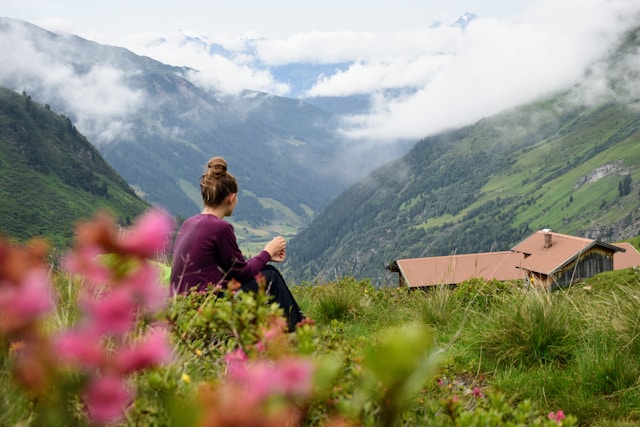
Some Alpine regions impress through silence. Others through precision.
Austria’s Alps are different.
Here, the mountains feel inhabited. Not crowded, not overused — but lived in. The Alps are not just scenery. They are part of daily rhythm, culture, and identity.
This is what gives the Austrian Alps their particular warmth: a sense that mountain life is not something you visit, but something that continues — with or without you.
Mountains Shaped by Everyday Life
In Austria, villages do not sit next to the Alps. They sit within them.
Homes, farms, churches, and paths are woven directly into the landscape. Meadows are cut and reused. Forests are managed. Mountain pastures open seasonally, just as they have for generations.
This constant interaction shapes the Alps into a cultural landscape:
- Trails follow old working routes
- Alpine huts are part of supply networks, not isolated shelters
- Valleys feel purposeful, not ornamental
The result is an Alpine environment that feels welcoming rather than distant.
The Culture of Alpine Huts and Paths
One of the most distinctive features of Austria’s Alps is the density of alpine huts.
These huts are not just places to rest. They are social spaces — where hikers, farmers, and locals meet. Meals are simple, filling, and rooted in regional tradition. Conversations happen naturally, often across generations.
Paths connecting these huts form a network that encourages movement rather than conquest. You are rarely pushed toward a single summit. Instead, you move through the landscape — from valley to pasture, from ridge to ridge.
Valleys With Their Own Character
Austria’s Alps are not uniform.
Each valley carries its own tone, shaped by geography, history, and economy:
- Wide valleys with long farming traditions
- Narrow side valleys that feel almost self-contained
- Regions where music, craft, and seasonal festivals remain visible
This variety makes Austria especially rewarding for travelers who enjoy noticing differences rather than ticking off highlights.
A Landscape That Encourages Participation
Austria’s Alpine environment invites you to take part.
You don’t need extreme skills to feel included. Many paths are designed for steady walking. Villages remain connected by public transport. Mountain culture is not exclusive — it assumes people will join, not just observe.
This sense of participation is what makes the Austrian Alps feel alive. You are not passing through a protected stage set. You are briefly sharing a working landscape.
Personalize This Guide to How You Travel
Rather than guessing who you are, this guide adapts to what you need from the Alps.
- Experienced Hiker
- Last-Minute or Flexible Traveler
Why Austria Feels Different From Other Alpine Regions
Austria does not separate nature from culture.
The Alps here are shaped by continuity:
- Seasonal rhythms
- Shared knowledge
- Paths reused across generations
This creates a sense of belonging, even for visitors. You are not expected to perform or prove anything. You are simply invited to walk, eat, rest, and observe.
Explore Austria With an AI Guide
Because Austria’s Alps are deeply interconnected, context matters.
An AI guide helps you:
-
Choose routes that fit your experience and available time
-
Understand how valleys, huts, and paths relate
-
Adapt plans to weather and seasonal changes
The aim is not efficiency for its own sake, but orientation — so you can move through the landscape with confidence and respect.
In Austria, the Alps feel alive because they are still being lived in.
For a while, you become part of that rhythm.