There are few places on Earth where you can stand at the literal top of Europe without breaking a sweat, but Jungfraujoch delivers exactly that. Known as the "Top of Europe," this high-altitude wonderland sits at 3,454 meters, accessible by the highest railway in the continent, and offers a surreal blend of icy grandeur and human ingenuity. What makes this route truly special is not the physical challenge—it’s the effortless journey to a world of glaciers, scientific marvels, and jaw-dropping vistas that most travelers only see in postcards. Here, the Alps unfold in all their frozen glory, and you don’t need crampons or a climbing resume to experience it.
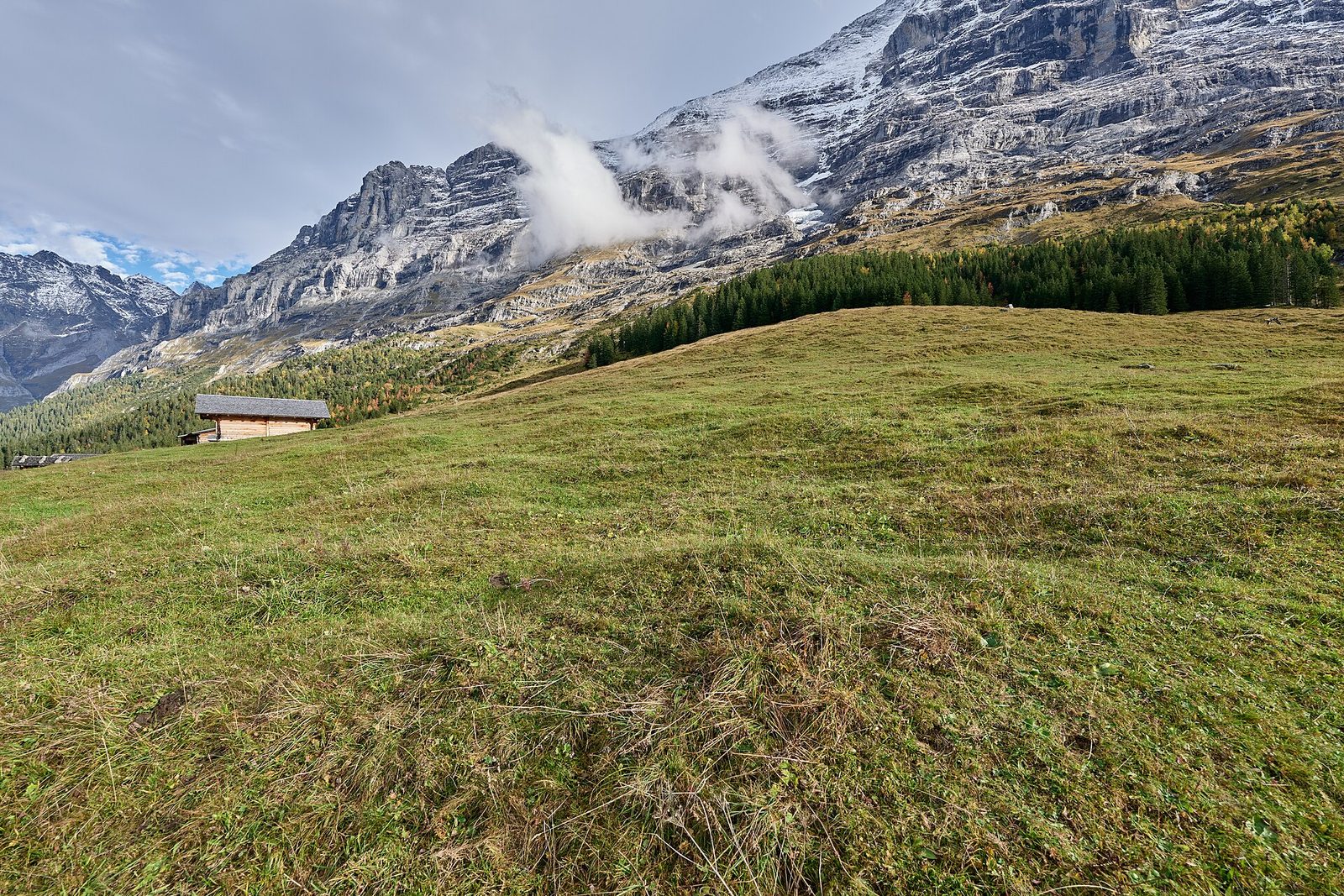
The adventure begins long before you set foot on the glacier. The Jungfrau Railway, a masterpiece of early 20th-century engineering, whisks you from the charming village of Kleine Scheidegg through a tunnel carved into the Eiger’s north face, one of the most infamous walls in alpinism. As the train ascends, the landscape transforms from green pastures to rocky cliffs, then to a stark, snow-covered plateau where the air grows thin and the views stretch forever. The final stop is Jungfraujoch’s railway station, the highest in Europe, and your gateway to a day of exploration.
The terrain here is unlike any other "easy" hike. You’ll walk on a well-trodden path across the Aletsch Glacier’s upper reaches, a vast river of ice that snakes through the Alps. The ground is a mix of snow, ice, and compacted gravel, with clear signage and railings guiding the way. The highlight is the Sphinx Observatory, a futuristic-looking research station perched on a rocky outcrop. From its viewing platform, the panorama is nothing short of breathtaking: the Aletsch Glacier, the longest in the Alps, stretches 23 kilometers into the distance, flanked by jagged peaks like the Mönch and the Jungfrau. On clear days, the view extends to the Black Forest in Germany and the Vosges Mountains in France.
Beyond the natural spectacle, Jungfraujoch is a hub of human achievement. The Ice Palace, a labyrinth of tunnels and chambers carved into the glacier, showcases intricate ice sculptures that glimmer under artificial light. Nearby, the Lindt Swiss Chocolate Heaven offers a sweet respite, where you can watch chocolatiers at work and sample their creations. For those curious about science, the research station provides insights into climate studies and high-altitude experiments. Even the infrastructure itself is a marvel—restaurants, shops, and even a post office operate year-round in this extreme environment.
This route is accessible in every sense of the word. The best time to visit is year-round, though winter brings heavier snowfall and shorter days, while summer offers milder temperatures and longer daylight hours. The journey is suitable for all fitness levels, including families with children, as the elevation gain is minimal and the paths are well-maintained. That said, the altitude can take some getting used to, so take it slow, stay hydrated, and be mindful of any dizziness or shortness of breath. Dress in warm, layered clothing—even in summer, temperatures hover around freezing, and the wind can be biting. Sturdy, waterproof boots are essential for walking on snow and ice, and sunglasses or goggles will protect your eyes from the glare.
What you won’t need is technical gear or mountaineering experience. Jungfraujoch is a celebration of accessibility, proving that the Alps’ most iconic landscapes are within reach for everyone. Whether you’re here to marvel at the glacier, send a postcard from the highest post office in Europe, or simply stand on the roof of the continent, this is a day trip that lingers in the memory long after you’ve descended back to the valleys below.
Swiss trains run to the minute. Validate your ticket before boarding. Tap-to-pay works in nearly all shops and restaurants.
Nearest station and connections from major Swiss cities.