The Morteratsch Glacier Trail is one of the most thought-provoking and accessible glacier hikes in the Swiss Alps, offering a rare blend of natural beauty and scientific insight. Unlike typical alpine routes that focus solely on scenery, this trail tells a story—one of retreat, change, and the visible impact of climate change over time. Markers along the path trace the glacier’s shrinking footprint, turning a simple walk into a moving lesson on the Earth’s shifting landscapes. It’s a hike that lingers in the mind long after the boots come off, combining gentle terrain with profound perspective.
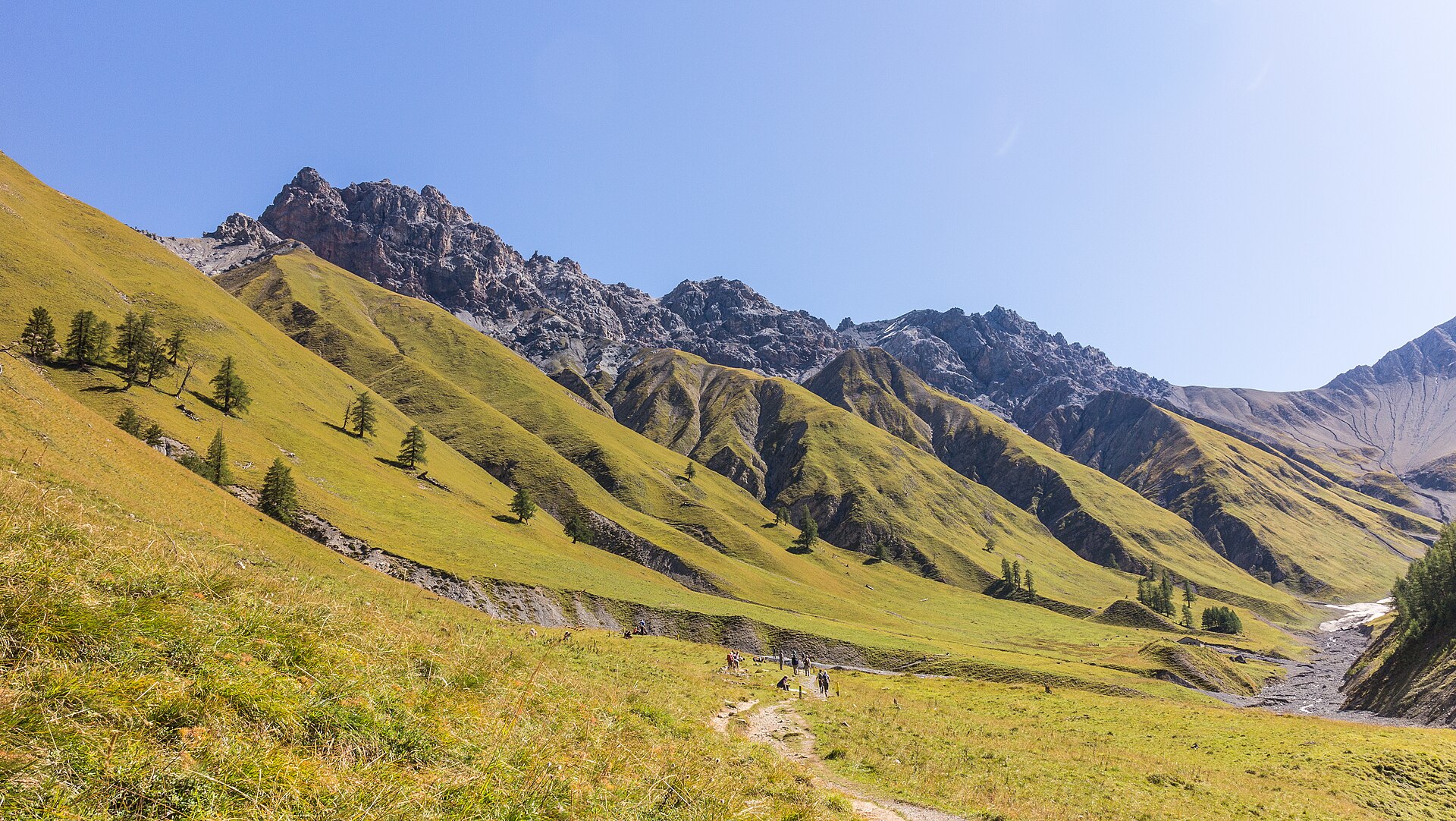
The route begins at the Morteratsch railway station, a short ride from Pontresina in the Upper Engadin. From here, the trail follows a well-maintained gravel path that winds through larch forests and open meadows, gradually ascending toward the glacier’s tongue. The terrain is easy, with only modest elevation gain, making it suitable for families and casual hikers. The first highlight comes early: the view of the glacier itself, a vast river of ice framed by the towering peaks of Piz Bernina and Piz Palü. As you approach, the path flattens, allowing for unhurried exploration. Information panels explain the glacier’s history, its formation, and its alarming rate of retreat—over 2.5 kilometers since 1860. The markers, spaced at intervals, make the abstract concept of climate change tangible, grounding it in the landscape before you.
Key waypoints include the point where the glacier’s edge once stood in the 19th century, now a stark expanse of rock and moraine. Further along, the trail reaches the current terminus, where meltwater gushes from beneath the ice, feeding the young Inn River. The contrast between the glacier’s icy blue and the surrounding greenery is striking, and the sound of rushing water adds a dynamic element to the scene. For those who want to extend the hike, a short detour leads to the Diavolezza cable car station, offering a higher vantage point and the chance to see the glacier’s upper reaches.
Practical considerations make this hike especially appealing. The best time to visit is between June and September, when the trail is free of snow and the weather is most stable. Early mornings or late afternoons are ideal for avoiding crowds and capturing the best light on the ice. While the route is classified as easy (T1), it’s worth noting that the high altitude—starting around 1,900 meters—can make the walk feel slightly more strenuous for those unaccustomed to mountain air. A moderate level of fitness is sufficient, but sturdy hiking shoes are recommended, as the path includes some uneven sections near the glacier’s edge. Bring layers, as temperatures can drop near the ice, and don’t forget sun protection—glacier hikes reflect a surprising amount of sunlight.
This is a hike that rewards curiosity as much as effort. It’s not just about reaching a destination but about witnessing a landscape in transition. The Morteratsch Glacier Trail offers a rare opportunity to walk alongside history, to see firsthand how the Alps are changing, and to reflect on the forces shaping our planet. For anyone seeking a day hike that’s as enriching as it is scenic, this is one not to miss.
Swiss trains run to the minute. Validate your ticket before boarding. Tap-to-pay works in nearly all shops and restaurants.
Nearest station and connections from major Swiss cities.